

Do cheap earrings make your earlobes red, itchy, or inflamed? There’s a good chance you’re reacting to nickel. Nickel allergy is one of the most common contact allergies, and jewelry is one of the most well-known triggers.
The good news: with the right earrings, you can still wear jewelry. In this article, you’ll learn what a nickel allergy is, which materials are safe, and what to look for when buying earrings.
What is a nickel allergy?

Nickel is a metal found in many pieces of jewelry, buttons, watch straps, eyeglasses, and belt buckles. It’s often used because it’s inexpensive and makes metal stronger and shinier. If you have an allergy, your skin reacts to the nickel that’s released when the metal is in contact with your skin for an extended period, especially when combined with sweat.
Recognize the symptoms
- Redness and itching where the jewelry is worn.
- Small bumps or blisters.
- Dry, flaky skin (eczema) with prolonged contact.
- Symptoms associated with earrings: a swollen or painful earlobe, sometimes with discharge.
Symptoms usually don’t appear until a few hours to a day after wearing the jewelry. A nickel allergy is often caused by prolonged or repeated contact, such as wearing cheap earrings immediately after getting your ears pierced.
Please note: If your symptoms persist or you’re not sure what’s causing them, see your doctor. They can use a patch test to determine if you’re allergic.
What does “nickel-free” mean?
In the European Union, jewelry worn in pierced ears is allowed to release only very small amounts of nickel. This is required by law. In practice, “nickel-free” means that a piece of jewelry remains below that limit or contains no nickel at all.
Please note: jewelry purchased outside the EU—for example, through large international online retailers—does not always meet these standards. Therefore, it’s best to buy your earrings from a store that clearly lists the materials used. Every product in our shop lists the materials it’s made from.
Is there nickel in silver?
Pure silver (999) contains no nickel. 925 sterling silver consists of 92.5% silver and 7.5% other metals, usually copper. Nickel is not a standard component, but some inexpensive alloys do contain it. The 925 stamp only indicates the silver content; it does not specify which other metals were used.
Be careful with names that sound like “silver.” Nickel silver, alpaca, and German silver do not contain silver, but rather copper and nickel. And with silver-plated or silver-colored jewelry, there is often a different metal underneath the coating. Not sure? Then choose earrings that are clearly labeled as 925 sterling silver and nickel-free.
Which materials are the safest?
Not every metal is equally suitable for people with a nickel allergy. In this overview, you can see for each material whether it contains nickel and whether it’s suitable.
925 sterling silver
Nickel: usually none; silver with copper
Suitable: yes
Gold-plated silver
Nickel: usually none, if the base is 925 silver
Suitable: yes
Titanium
Nickel: none
Suitable: yes, even for severe allergies
Solid gold
Nickel: sometimes found in white gold
Suitable: usually yes; check about white gold
Stainless steel
Nickel: contains nickel, but releases very little
Suitable: usually yes, but not if you have a severe allergy
Unknown metal
Nickel: often present, for example in silver-plated or gold-colored items
Suitable: preferably not
Why 925 silver is a good choice
925 sterling silver consists of 92.5% silver, with the remainder typically being copper. Nickel is not a standard component of this alloy. That’s why it’s one of the most popular materials for people with sensitive skin, as well as for children’s earrings. You can read more about this material in our article What Is 925 Sterling Silver?
In our shop, you’ll find nickel-free earrings made of 925 sterling silver, gold-plated, and stainless steel, including silver earrings and silver children’s earrings. The material is listed for each product, so you always know what you’re buying. Do you have a very strong reaction to nickel? Then choose 925 sterling silver.
Nickel-free silver earrings
View everything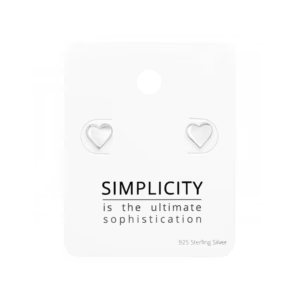
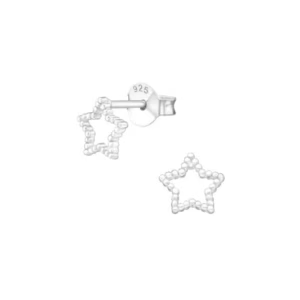
Small Star Stud Earrings in 925 Sterling Silver
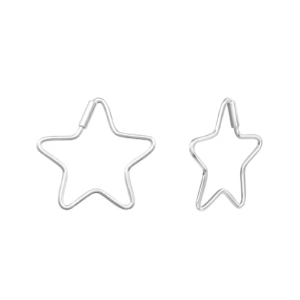
Star-shaped hoop earrings in 925 sterling silver
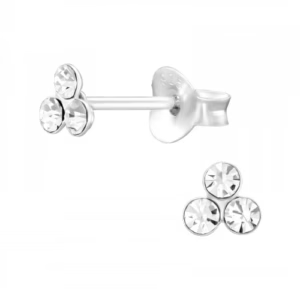
Stud earrings with three crystals, 925 sterling silver
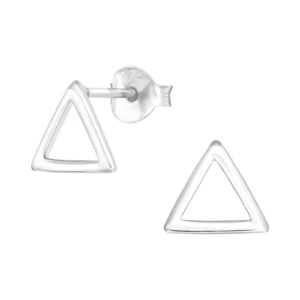
925 sterling silver open triangle stud earrings
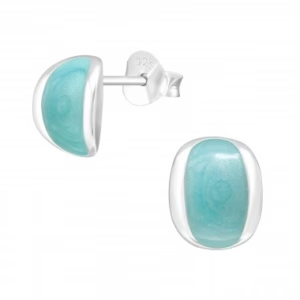
Blue semi-precious stone stud earrings
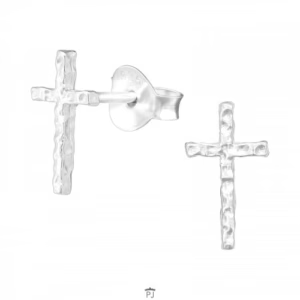
Sterling 925 silver cross stud earrings
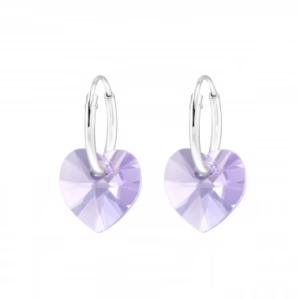
Hoop earrings with lilac hearts in 925 sterling silver for women

Tips if you react quickly
Even with nickel-free earrings, you can give your ears a little help. These tips will help you avoid most symptoms:
- Choose earrings where the material is clearly listed.
- Wear new earrings for a few hours at first to test them.
- Keep your earlobes and earrings clean and dry.
- Also check the backs: they must be nickel-free as well.
- Choose earrings with a short, smooth post. The less metal that’s in your ear, the less contact there is.
- Take off your earrings while exercising: sweat causes nickel to be released more quickly from jewelry that contains it.
- Always get your ears pierced with nickel-free piercing earrings.
Nickel in Everyday Life
Nickel isn’t just found in jewelry. Jeans buttons, belt buckles, watch straps, keys, and coins can also contain nickel. If you have an allergy, be sure to keep this in mind. The less your skin comes into contact with nickel, the lower your risk of symptoms.
Tip for buttons: Applying a thin coat of clear nail polish to the inside of a metal button prevents direct contact with your skin.
Frequently Asked Questions About Nickel-Free Earrings
Is there nickel in silver?
Pure silver does not contain nickel. 925 sterling silver consists of 92.5% silver and 7.5% other metals, usually copper. Nickel is not a standard component, but some inexpensive alloys do contain it.
How can you tell if earrings are nickel-free?
Check the material. You can’t go wrong with 925 silver and titanium. If it’s labeled only as “silver-colored” or “metal,” ask what it’s made of.
Can a nickel allergy go away?
Usually not. However, you can prevent symptoms by avoiding nickel.
Are children’s earrings nickel-free?
That varies by store. For our children’s earrings, each product listing specifies the material they’re made of and whether they’re nickel-free.