

Have your silver earrings, rings, or bracelet become dull or dark? That’s perfectly normal and easy to fix. Even genuine 925 sterling silver tarnishes over time.
In this article, you’ll learn why this happens, how to clean silver using items you already have at home, which method works best for which piece of jewelry, what you should avoid doing, and how to keep your jewelry looking beautiful for longer.
Why does silver turn dull or black?
Silver reacts with sulfur. Sulfur is found in the air, but also in sweat, eggs, onions, rubber, and some personal care products. This reaction creates a dark layer on the surface: silver sulfide. This is commonly referred to as oxidation or tarnish. It’s only on the surface, so it can be polished away.
How quickly silver tarnishes depends on a few factors:
- Humidity: Silver tarnishes faster in a humid bathroom than in a dry bedroom.
- Your skin: Silver tarnishes faster on some people than on others, due to differences in sweat and skin pH.
- Cosmetics—such as perfume, hairspray, sunscreen, and body lotion—accelerate the tarnishing process.
- How to store it: Jewelry left out in the open tarnishes faster than jewelry kept in a sealed pouch.
Cleaning Silver: Five Methods
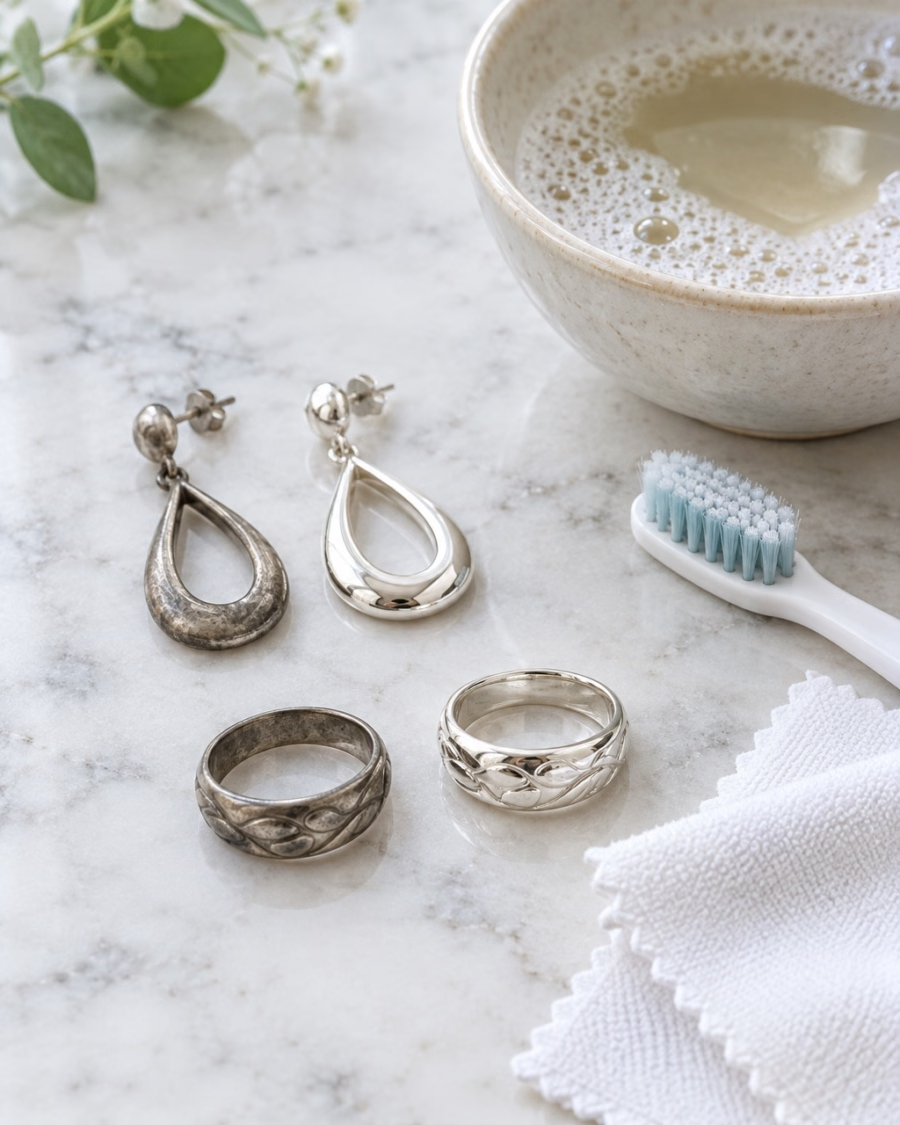
For most methods, you’ll only need items you already have at home: lukewarm water, mild dish soap, a soft toothbrush, a soft cloth, aluminum foil, and salt or baking soda. A silver polishing cloth comes in handy for quick touch-ups. Always start with the mildest method and move on to a stronger one only if necessary.
Method 1: Lukewarm water and mild soap
This is the safest method, even for jewelry with crystals, gemstones, or an e-coat. Feel free to do this once a month.
- Fill a small bowl with lukewarm water and a drop of mild dish soap.
- Let your jewelry soak for 5 minutes.
- Gently scrub them clean with a soft toothbrush. Pay special attention to the edges and the backs of stud earrings.
- Rinse them with clean water and pat them dry thoroughly with a soft cloth.
Method 2: aluminum foil, salt, and hot water
This method works surprisingly well on heavily tarnished silver. A chemical reaction removes the dark layer, revealing the silver underneath: you’ll literally see the silver get lighter.
- Place a sheet of aluminum foil in a small bowl, with the shiny side facing up.
- Sprinkle a tablespoon of salt or baking soda over it and pour hot—but not boiling—water over it.
- Place your silver jewelry inside so that it touches the foil.
- Remove them after 5 to 10 minutes, rinse them off, and dry them thoroughly.
Do not use this method on jewelry with pearls, glued stones, or a colored e-coat: these can be damaged.
Method 3: a silver polishing cloth
A silver polishing cloth is the easiest way to give your jewelry a quick polish whenever you have a moment. The cloth contains a mild polishing agent. Wipe in a straight line, not in circles, and do not use the cloth on gold-plated jewelry: it can wear away the gold plating.
Method 4: Baking soda paste for stubborn stains
Mix a teaspoon of baking soda with a few drops of water to form a paste. Apply it to the discolored area with your finger or a cotton swab, rub very gently, and rinse it off thoroughly. Use this method only on solid silver without gemstones, and not too often: it has a mildly abrasive effect.
Method 5: A silver dip bath
You can buy a silver cleaning solution at a drugstore or jewelry store. It works quickly but is quite harsh. Follow the instructions carefully: leave the jewelry in for only a few seconds and rinse it thoroughly afterward. Not suitable for jewelry with an e-coat finish, pearls, or colored stones.
Tip: Not sure which method to choose? Always start with lukewarm soapy water. It’s safe for almost any piece of jewelry and is often all you need.
Silver earrings for women
View everything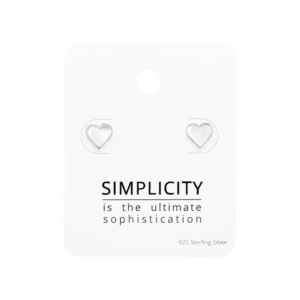
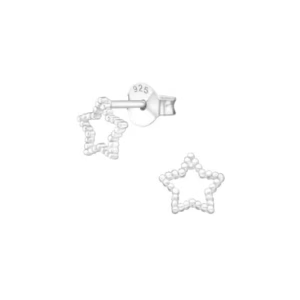
Small Star Stud Earrings in 925 Sterling Silver
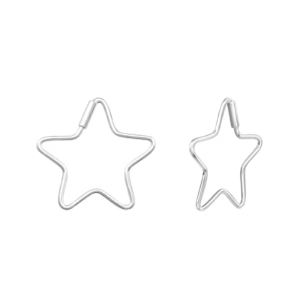
Star-shaped hoop earrings in 925 sterling silver
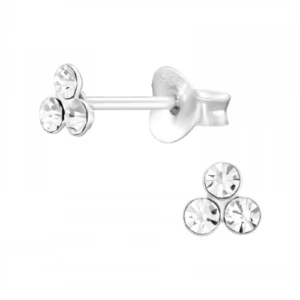
Stud earrings with three crystals, 925 sterling silver
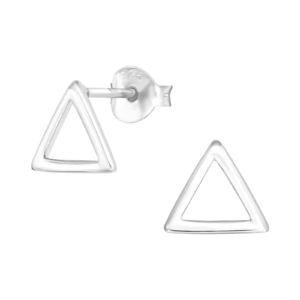
925 sterling silver open triangle stud earrings
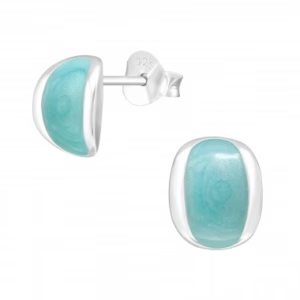
Blue semi-precious stone stud earrings
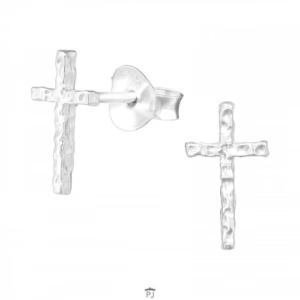
Sterling 925 silver cross stud earrings
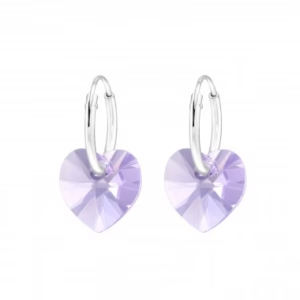
Hoop earrings with lilac hearts in 925 sterling silver for women

Which method works best for which piece of jewelry?
Not every piece of jewelry can withstand the same treatment. Gemstones, pearls, and gold plating require a gentler approach than solid silver. In this guide, you’ll see what works well for each type and what you should avoid.
Solid 925 silver
You’ll need: soapy water, aluminum foil, a polishing cloth
Don’t use: toothpaste, bleach
Silver with crystals
What to use: soapy water and a soft toothbrush
Don’t: soaking, hot water
Silver with an e-coat
What to use: soapy water and a soft cloth
Don’t use: a polishing cloth, abrasive cleaner
Gold-plated silver
What you’ll need: lukewarm water and a soft cloth
Don’t: polishing cloth, soaking bath
Pearls
What to use: a damp cloth
Don’t: soak it, use the foil method
What You Should Avoid Doing
You’ll find plenty of home remedies for cleaning silver online. Not all of them are a good idea. You’re better off skipping these four:
- Toothpaste: You’ll see this in many tips, but it contains abrasives and causes fine scratches, which actually make the silver look duller.
- Bleach or chlorine: these can damage silver and actually turn it black. So be sure to take off your jewelry before going into the pool.
- Scrubbing too hard: This causes the top layer to wear away more quickly, especially on pieces with an e-coat (a protective coating found on many of our jewelry items) and on gold-plated jewelry.
- Paper towels: They may seem soft, but they contain wood fibers that can scratch. Use a cotton or microfiber cloth instead.
This will keep your silver looking beautiful longer
Prevention is better than cure. By adopting these habits, you’ll need to clean your silver much less often. You can read more about the material in our article What Is 925 Sterling Silver?
- Take off your jewelry when showering, swimming, exercising, and cleaning.
- Store silver in a dry place and separate from other items, for example in a small bag or jewelry box. A piece of chalk or a packet of silica gel in your jewelry box will absorb moisture.
- Wear your jewelry often: silver that’s worn tends to tarnish less quickly than silver that’s tucked away in a drawer.
- After wearing your jewelry, give it a quick wipe with a soft cloth to remove sweat and skin oils.
The golden rule: last on, first off. Apply perfume, body lotion, and hairspray first, and then put on your jewelry. This way, your jewelry comes into much less contact with substances that accelerate discoloration.
Frequently Asked Questions About Cleaning Silver
Why does silver turn black?
This is caused by a reaction with sulfur in the air and on your skin. It’s not a sign of fake silver: even genuine 925 silver can tarnish.
Can you clean silver earrings with alcohol?
Yes, a cotton swab with a little alcohol works fine for sanitizing the earrings. It just won’t remove discoloration.
How often should I clean my silver?
A quick wash with soapy water once a month is enough for jewelry you wear often. You should only give it a thorough cleaning using the foil method if the silver has really darkened.
My skin turns green or black when I wear a piece of jewelry. Does that mean it’s fake?
A dark streak can also appear on real silver due to a reaction with your skin. A green discoloration usually indicates copper or another metal. If you’re unsure, check the hallmark or the material listed with the product.